
Indoor Stone, Tile & Grout Care for Winter
Protect your floors, showers and counters from salt, stains and winter grime — with products that are actually safe to use indoors.
Stop Letting Winter Destroy Your Floors
Snow, salt and slush don’t just ruin driveways — they slowly wreck your indoor floors too. Grout turns dark, stone looks dull, tile feels sticky, and concrete starts to smell “off.”
You don’t need industrial fumes or harsh chemicals to fix it.
All of the products on this page are:
- Safe for indoor use (low-odor, no solvent cloud)
- Formulated for stone, tile, grout & concrete
- DIY-friendly with pro-level performance
- Designed for Canadian winters and North American homes
-
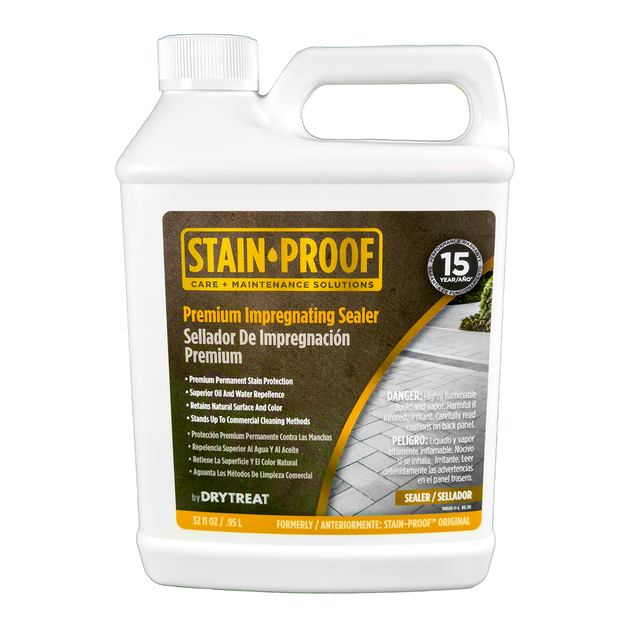
Imprégnant antitache de qualité supérieure | 1 L
Prix normal $125.63 -
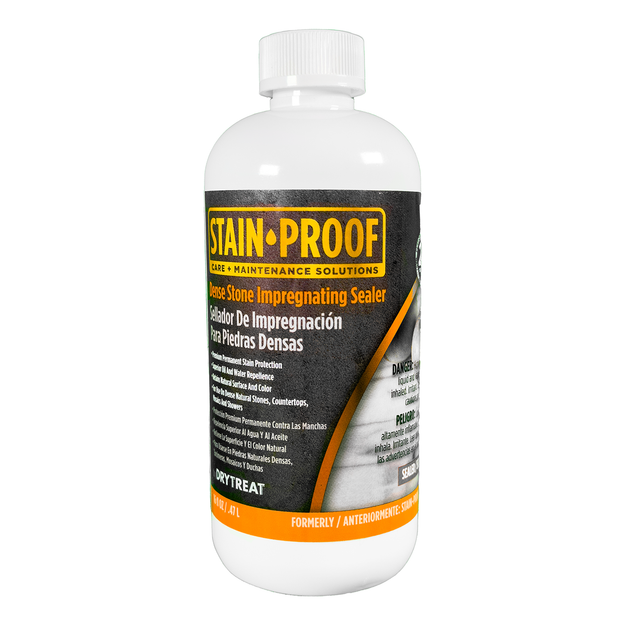
Scellant pour pierre dense antitache
Prix promotionnel $95.99Prix normal $120.69 -
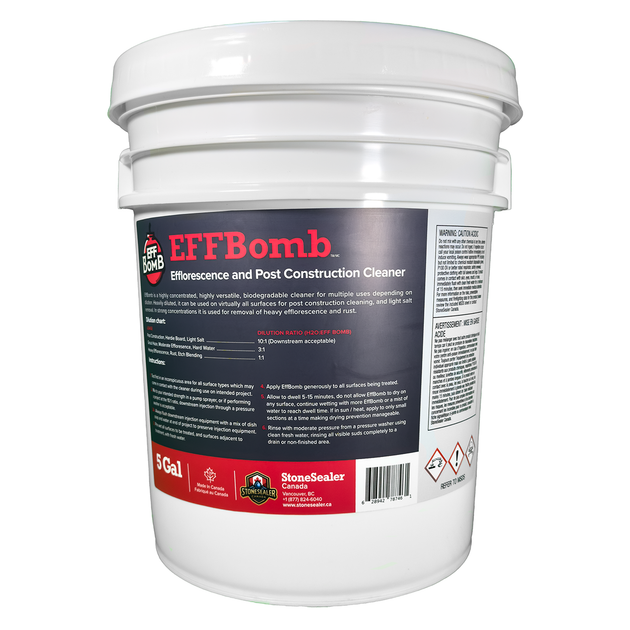
EffBOMB Efflorescences dissolvantes concentrées | 5 gal
Prix normal À partir de $65.00 -

Nettoyant organique OxyShock MAX | Concentré 10x | 5 gal
Prix normal À partir de $85.99 -
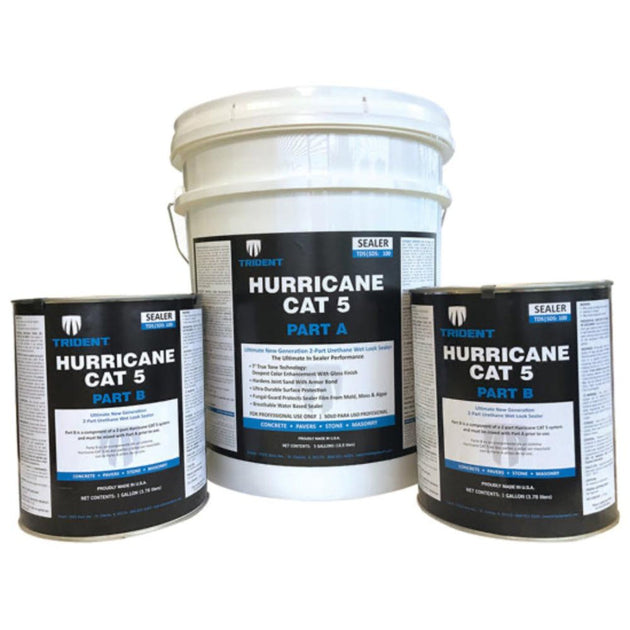
Trident Hurricane CAT 5 | Scellant uréthane 2 composants | Kit de 20 gal
Prix normal $1,299.00 -
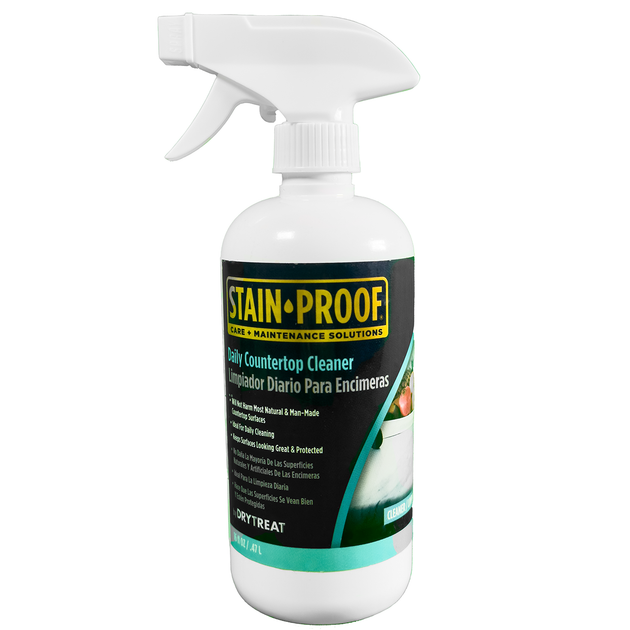
Nettoyant quotidien antitache pour comptoirs
Prix normal À partir de $25.99 -
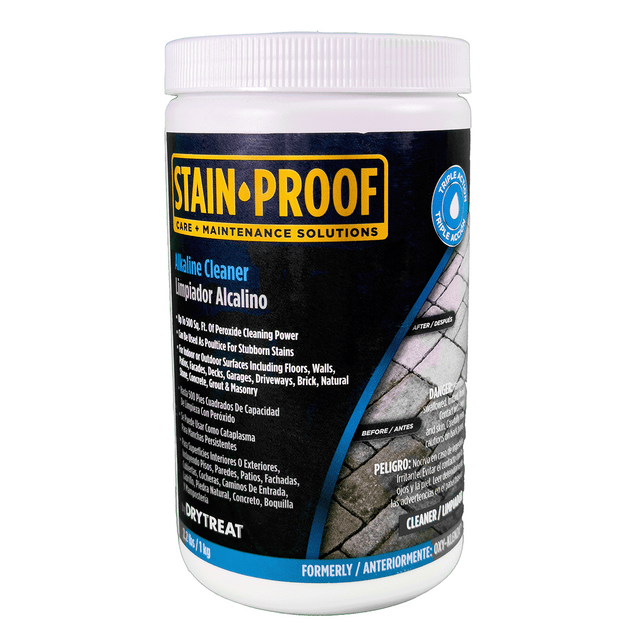
Nettoyant alcalin Stain-Proof | Nettoyant concentré en poudre pour pierre
Prix promotionnel $32.53Prix normal $47.99 -
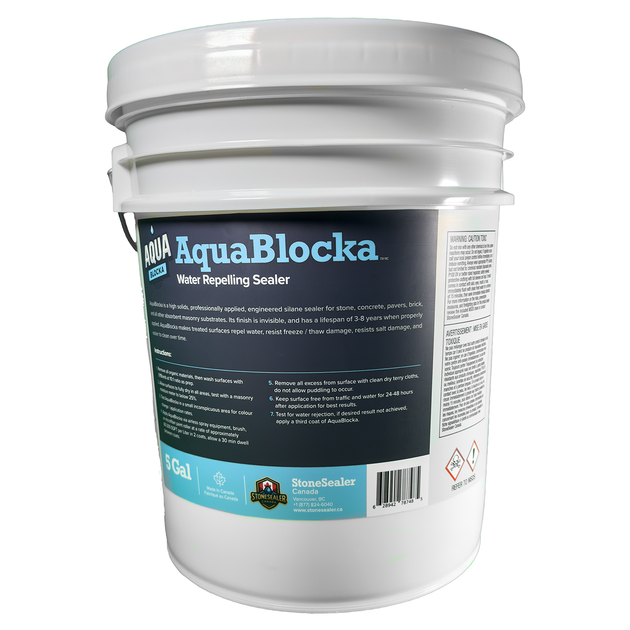
AquaBlocka | Scellant à base d'eau pour pierre et béton
Prix promotionnel À partir de $229.99Prix normal $785.90

Why Winter Is So Hard on Indoor Floors
In winter, every step through your door drags in:
- Road salt that attacks grout and concrete
- Grit and sand that scratch tile, LVP and stone
- Meltwater that soaks into porous stone and grout
- Oils and grime from sidewalks and parking lots
If your home has any of these:
- Slate or travertine floors
- Marble counters or bathroom vanities
- Porcelain or ceramic tile with grout
- Basement or garage concrete
- Natural stone showers
…then winter is quietly beating them up.
The right cleaner and sealer combo:
- Stops stains before they sink in
- Keeps grout from turning permanently dark
- Makes mopping and maintenance way easier
- Helps floors look “new” far longer
How to Use Our Products
How to Protect Your Floors This Winter (In 3 Steps)
- Deep Clean the Surface
Use an indoor-safe cleaner that matches your surface (stone, tile, grout or concrete). Let it dwell, agitate lightly, and remove the dirty solution instead of just pushing it around with a mop. - Let Everything Dry Fully
This is the step most people skip. Stone, grout and concrete need time to dry before sealing. A fan or dehumidifier helps a lot in winter. - Seal With an Indoor-Safe Penetrating Sealer
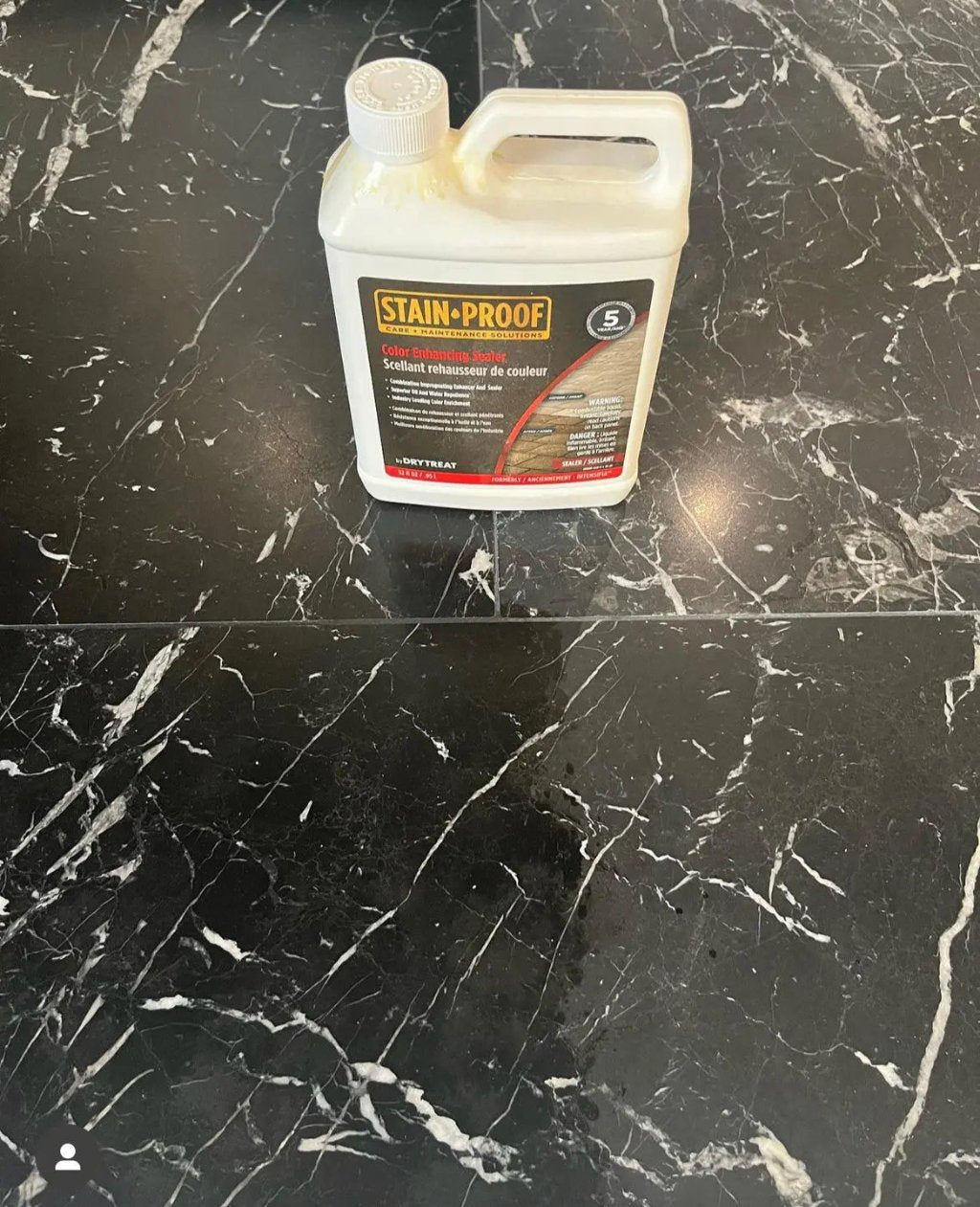
Apply a thin, even coat, let it soak in, then wipe off the extra. Sealers work inside the material, not as a thick coating on top — so less is more.
Shop By Surface
View All-

Indoor Stone
Keep stone from staining and looking dull with indoor-safe cleaners and sealers designed specifically for natural stone.
-
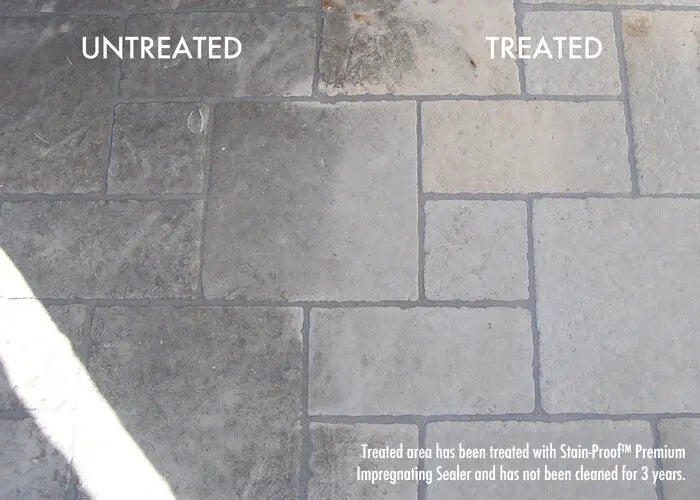
Indoor Concrete
Remove winter salt stains, oil spots and musty odours, then seal the surface so it’s easier to clean next year.
-

Tile & Grout
Pull winter grime out of grout lines, remove salt haze, and seal grout so it stops re-staining every maintenance cleaning period.


Why Use Professional-Grade Products at Home?
Most “all-purpose” cleaners aren’t designed for stone or grout. Many can actually damage marble, travertine and limestone — or leave a sticky film that attracts more dirt.
Our indoor line is:
- Developed for real-world Canadian winters
- Chosen by contractors and professional cleaners
- Safe for use on properly installed stone, tile and concrete
- Backed by education, not just marketing claims
If you ever get stuck, you’re not alone. We help homeowners choose the right product and walk you through the steps.
Frequently asked questions
Will these products smell strong inside my home?
We focus on low-odor, indoor-appropriate chemistry. Always follow label
directions and ventilate where possible, but any solvent odours from the few solvent based sealers we have, are not dangerous when used as directed and dissipate quickly.
Can I use the same sealer on every surface?
This depends on the sealer, but in short without knowing all the variables for your situation, no.
Stone, grout and concrete all behave differently. Use sealers
that are made for that specific material and always test in a small,
discreet area first.
Do I need to strip my floor before sealing?
Most penetrating sealers don’t require stripping unless a topical
coating was used before. A proper deep clean and full dry time is
usually enough. If your floor is glossy, or beads water, give us a call and a technical support representative will help you determine if the floor needs to be stripped.
How often do I need to reseal?
Most indoor stone, grout and concrete surfaces do well with resealing every 7-10 years when using Stain-Proof brand sealers.
depending on use.
Have a Question But We're Not Open?
We're sorry to have missed you, but apparently this sleep thing is important, who knew. If you'd be kind enough to fill out the form below, one of our happy and helpful stone care experts will get back to you as soon as possible.